RNAsmol
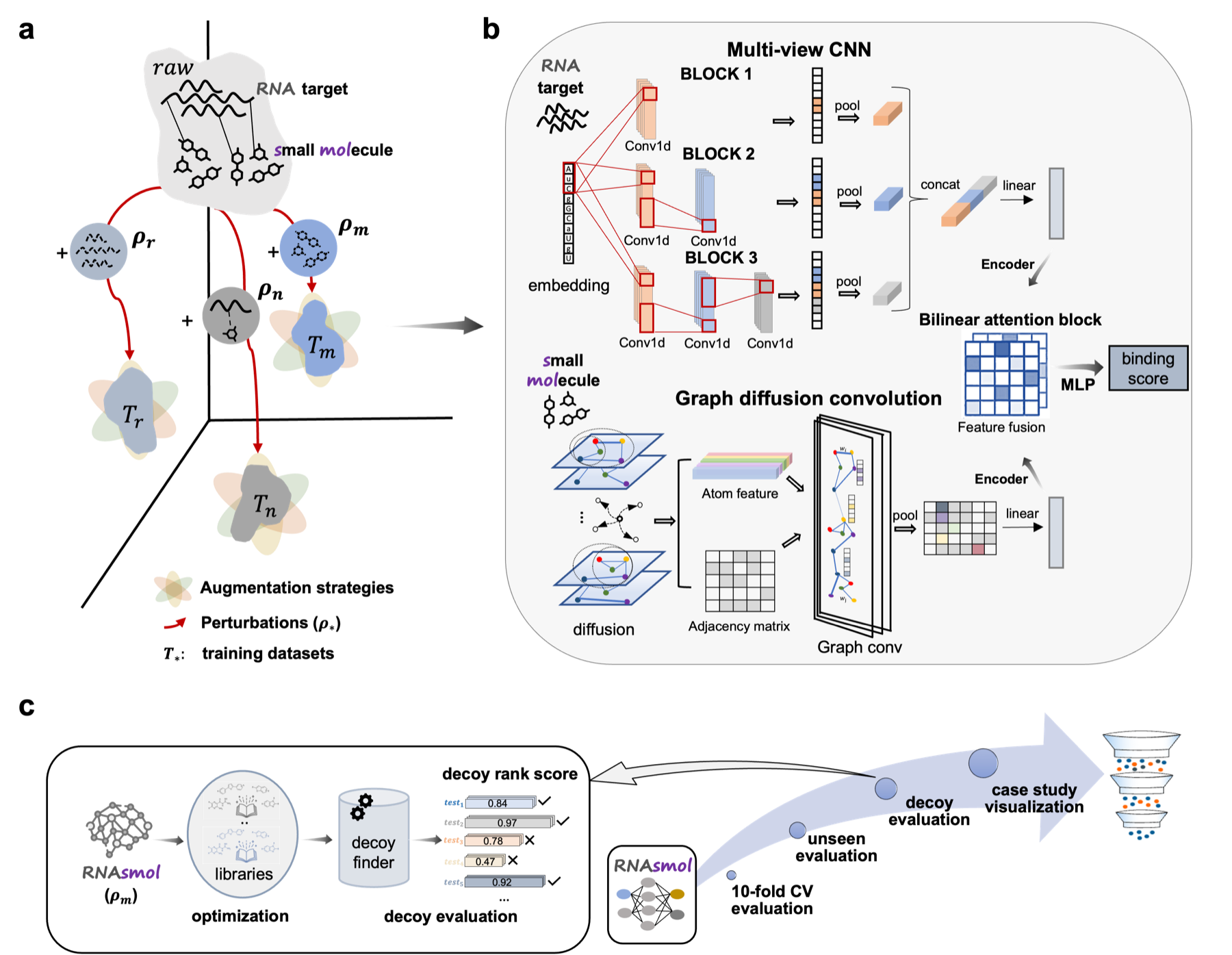
RNA-ligand interaction scoring via data perturbation and augmentation modeling.

I am currently an Associate Researcher in the School of Mathematics at the Harbin Institute of Technology. Prior to this, I was trained as a postdoc in RNA bioinformatics and machine learning at the Zhi John Lu Lab in Tsinghua University (2 yrs). I obtained my Ph.D. in Mathematics from Shandong University (2 yrs in Financial Mathematics, 2 yrs in bioinfo(sequencing&omics) algorithms), and was a joint Ph.D. student in Computational Biology (molecular structure & interactions) at the University of Toronto, where I was fortunate to be advised by Prof. Zhaolei Zhang (2 yrs). My current research interests lie in the computational modeling of biomolecules, with a particular focus on RNA structures, RNA-ligand interactions, and interpretable machine learning. My Erdos number is 4.
RNA-ligand interaction scoring via data perturbation and augmentation modeling.
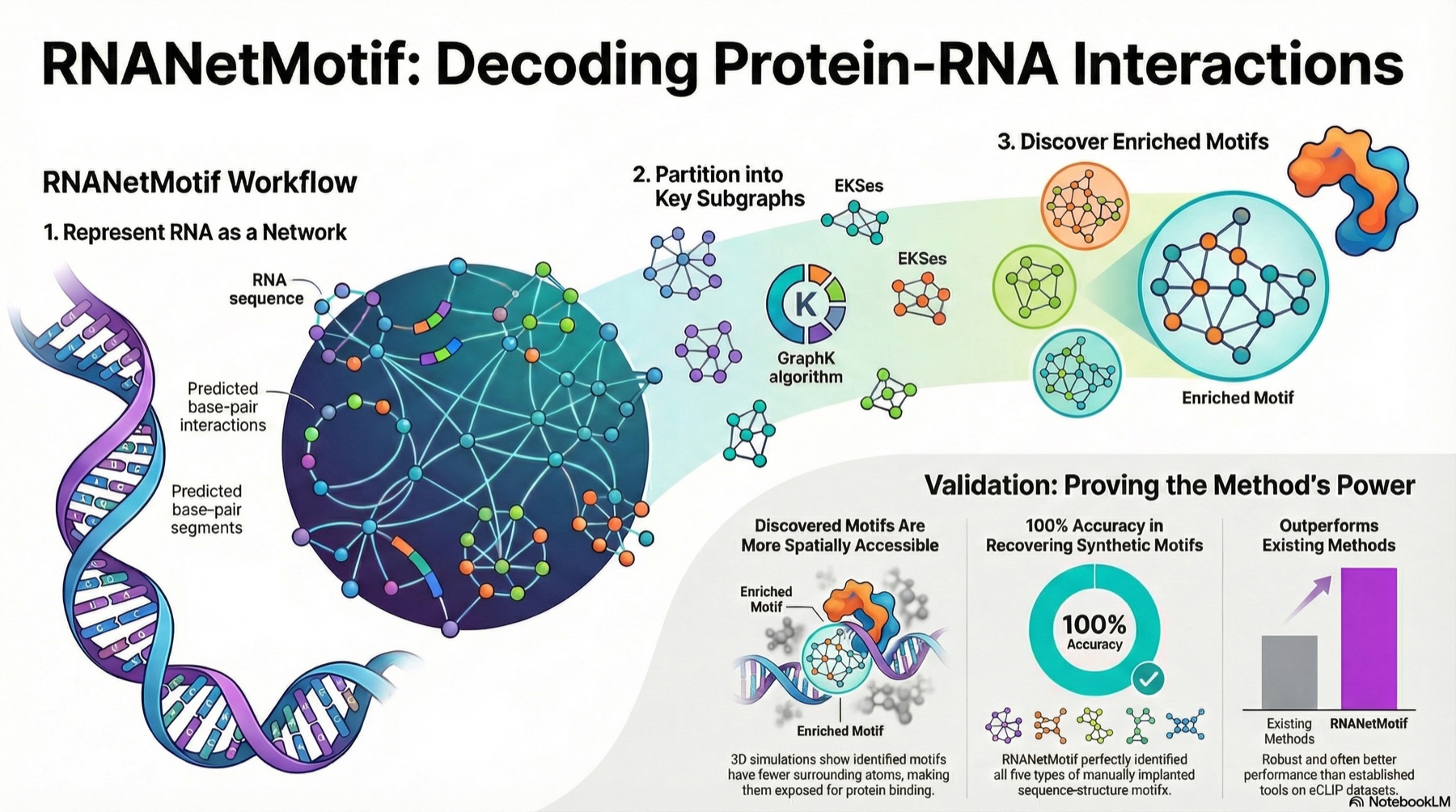
A network-based method for discovering enriched RNA sequence-structure motifs.

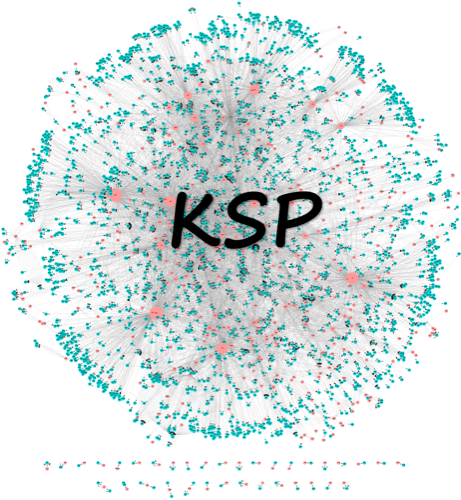
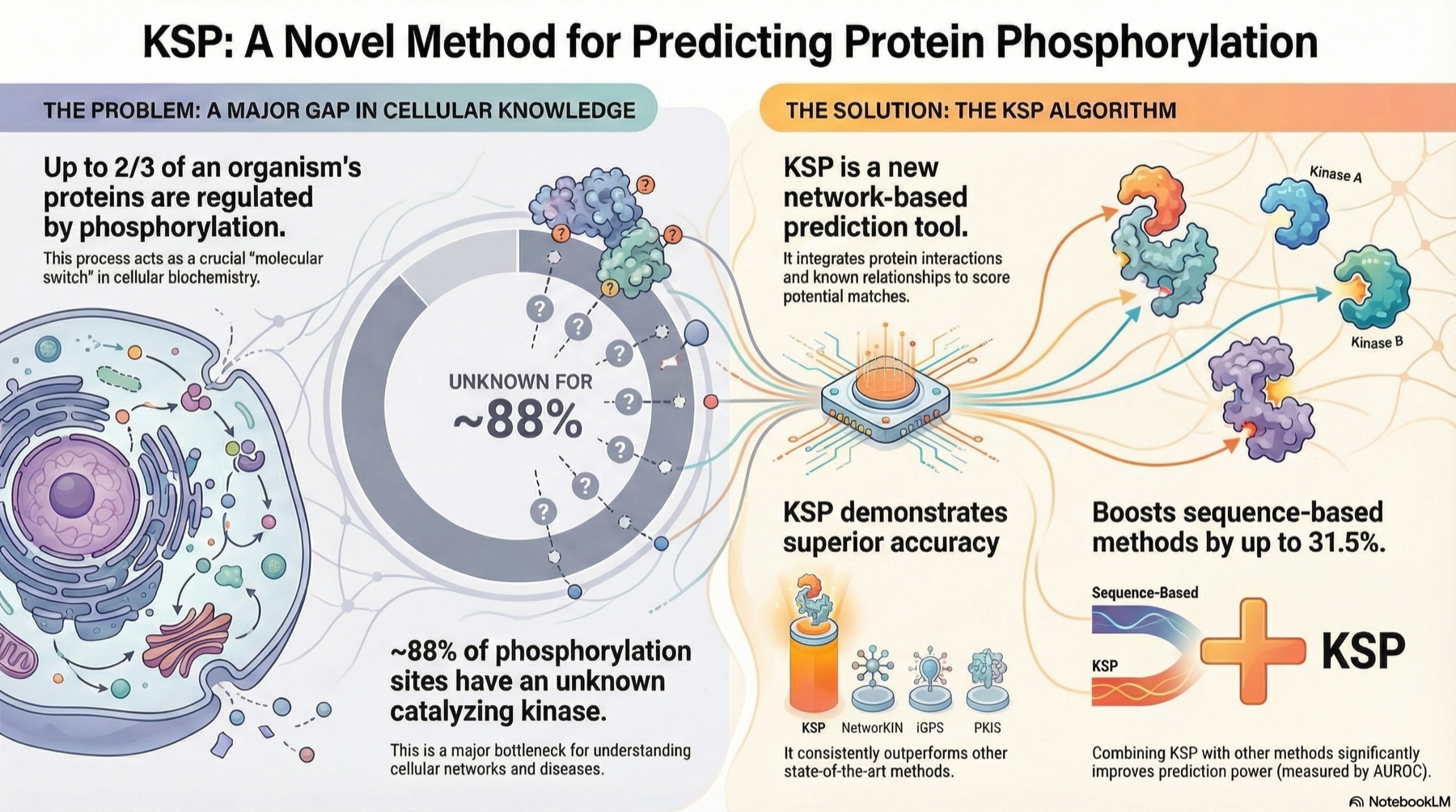
An integrated network method for predicting catalyzing kinases of protein phosphorylation sites.
† Equal contribution; * Corresponding author
2026
Conserved 3' Stem-Loop Structures Enable Comprehensive Analysis of Bacterial Transcription Termination in Metagenomes
Microbiome, 2026 / Full text
2025
RNA-ligand interaction scoring via data perturbation and augmentation modeling
Nature Computational Science, 2025 / Full text Code
News & Views highlight: What’s so hard about RNA-targeting drug discovery? by Carlos Oliver and Jérôme Waldispühl, Nature Computational Science, 2025.
Peak analysis of cell-free RNA finds recurrently protected narrow regions with clinical potential
Genome Biology, 2025 / Full text
Discovery of RNA-Targeting Small Molecules: Challenges and Future Directions
MedComm, 2025 / Full text
2024
Pathformer: a biological pathway informed transformer for disease diagnosis and prognosis using multi-omics data
Bioinformatics, 2024 / Full text
2022
RNANetMotif: Identifying sequence-structure RNA network motifs in RNA-protein binding sites
HCRNet: high-throughput circRNA-binding event identification from CLIP-seq data using deep temporal convolutional network
Briefings in Bioinformatics, 2022 / Full text
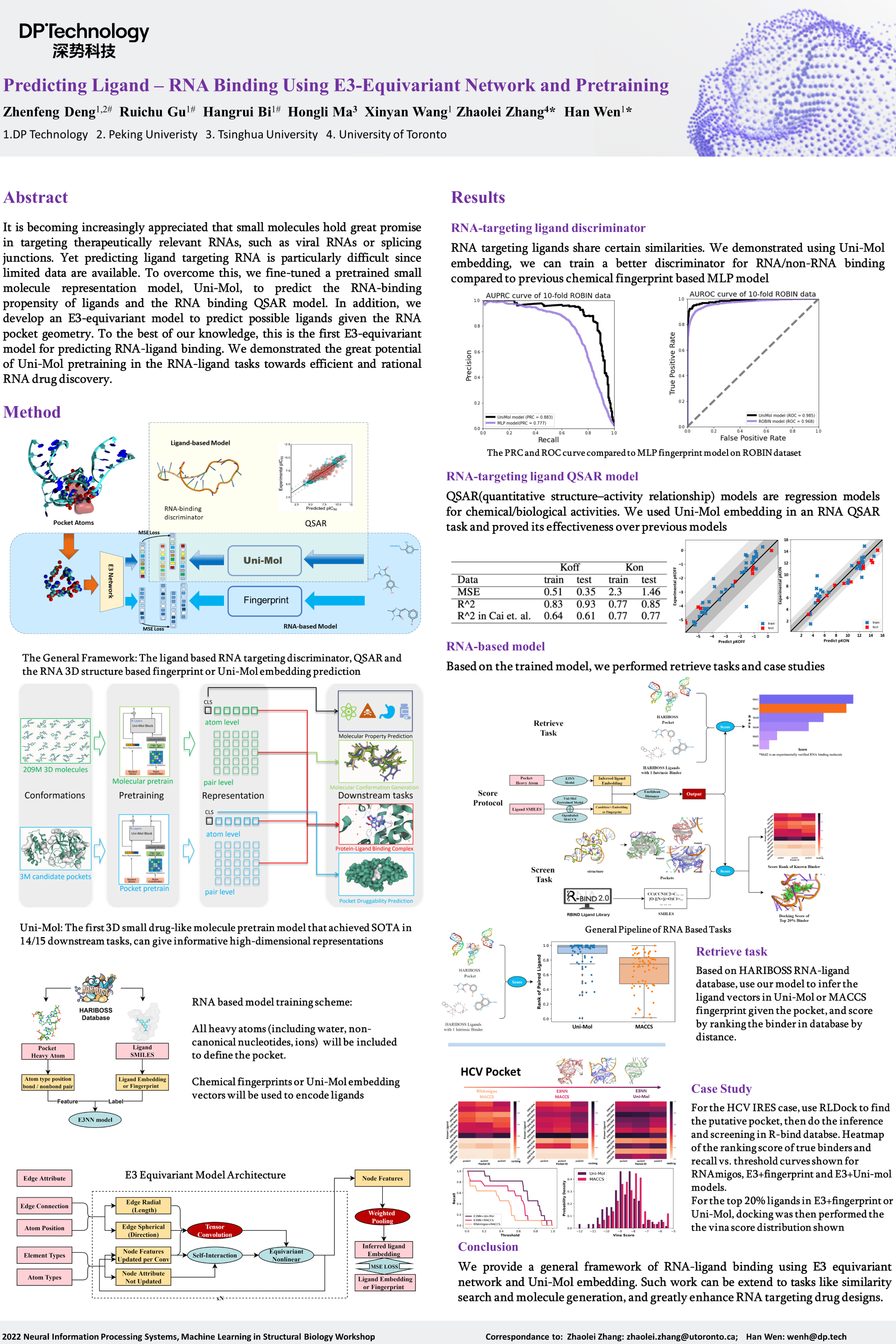
Predicting Ligand-RNA Binding Using E3-Equivariant Network and Pretraining
NeurIPS Machine Learning in Structural Biology Workshop, 2022 / Poster
2020
KSP: an integrated method for predicting catalyzing kinases of phosphorylation sites in proteins